


From nuisance plant to marketable fibre
Water hyacinth, known locally as jalkumbhi, spreads quickly across ponds, lakes and other water bodies. Left unchecked, it can choke water channels and disrupt aquatic life. Yet the same plant can be processed into strips, dried and twisted into fibres that are suitable for weaving and handicrafts.
Those fibres can be turned into bags, baskets, home décor items and packaging material. The residue can also be used to make handmade paper, creating a wider set of product possibilities than the plant's reputation would suggest. The environmental story, however, is only part of the equation. The bigger question is whether the craft can generate enough demand to become a reliable source of income.
Designer Anurag Gupta has tried to answer that by placing the material in a more aspirational setting. His designs, which featured hand-spun weaves made from water hyacinth fibres, were shown on the Lakmé Fashion Week runway, giving the craft a platform far beyond the village where it began.
Why the women took time to say yes
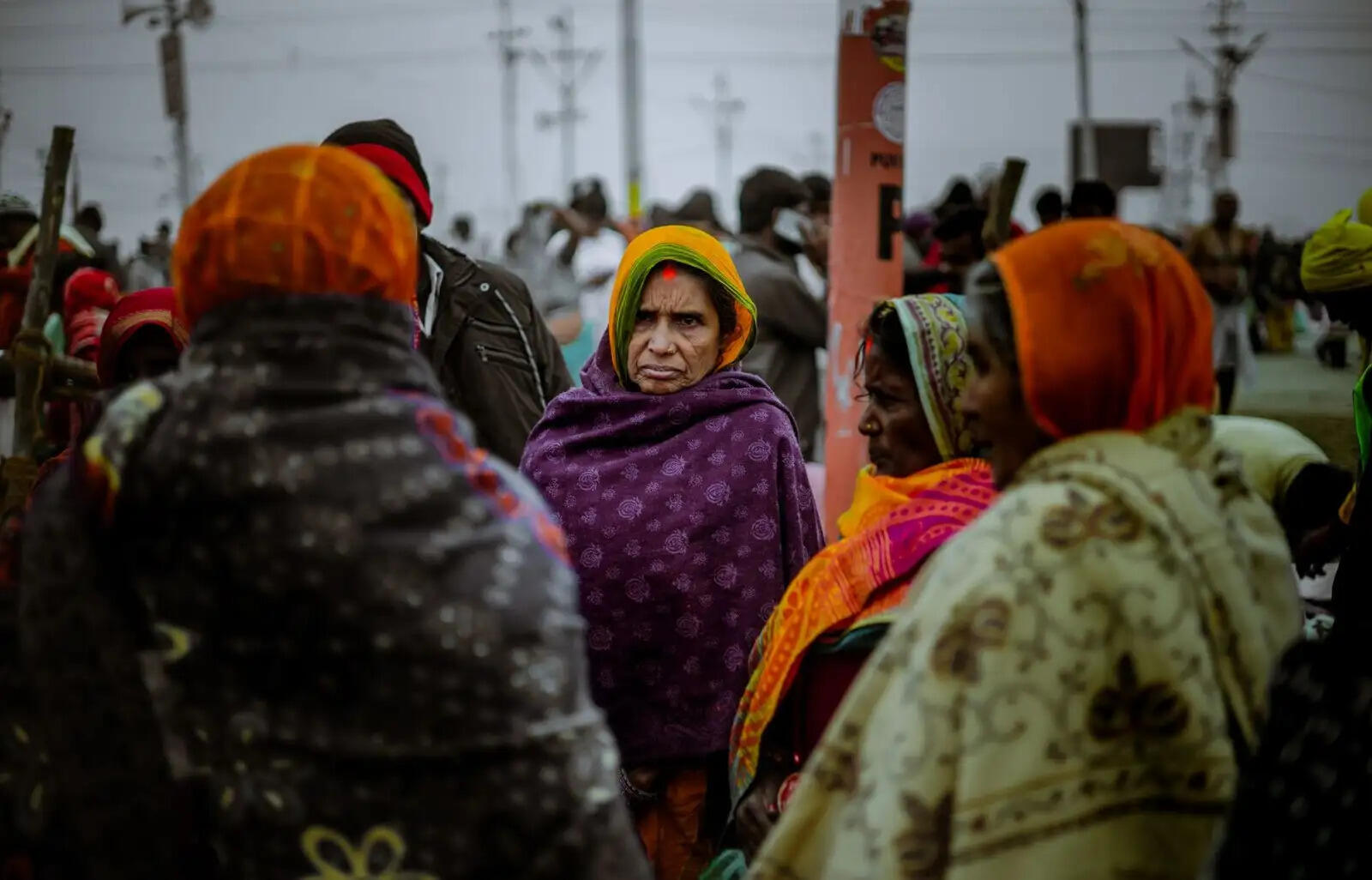
The women who are now learning the craft were not immediately convinced. According to The Indian Express, Gupta spent about 10 months building trust before they agreed to take part. Their hesitation was rooted in a long history of social projects that drew attention but did not translate into durable gains.
One participant, identified by the publication as Sanichari*, captured that scepticism bluntly, saying, “Everybody uses us to get headlines and then forgets us. They use us for their causes, get their grants and leave us midway.” Her reaction underscores a familiar problem in livelihood interventions aimed at marginalised communities: training alone does not create empowerment unless it is linked to orders, earnings and continuity.
The group agreed to participate only after the first batch of products had already been booked, giving them a concrete reason to believe the effort could lead to payment rather than just publicity. That initial order appears to have been as important as the training itself in building confidence in the model.
Fashion week brings visibility, not certainty
The Lakmé Fashion Week appearance has given the Biskohar artisans a rare kind of exposure. Their work has moved from a village setting to a national fashion stage, where sustainable materials and craft-led design are increasingly in demand. But a runway moment does not automatically convert into income.
For Gupta, the next task is to turn attention into repeat business. He is exploring sales opportunities across home and lifestyle products, corporate gifting, retail and e-commerce, along with packaging work for brands and businesses. Each of these channels could produce a different type of demand, from small consumer purchases to bulk commercial orders.
That distinction matters because visibility can fade quickly if it is not followed by structured procurement. For the initiative to endure, the women will need regular buyers, predictable pricing and prompt payments. Without those, the project risks becoming another short-lived showcase rather than a functioning livelihood model.
The real test is income, not applause
The initiative is also being shaped as a training and production model. Under the proposed programme, participating women would receive a stipend during their first month of learning, after which those who continue could work from home against confirmed orders. That structure is designed to fit around family responsibilities while still linking craft training to actual market demand.
For women who have had few dependable livelihood options, home-based production could offer a practical route to income without forcing them to leave their village. It also gives the project a better chance of becoming locally rooted rather than dependent on one-off showcases or external charity.
Gupta's broader ambition is to build a system where women can earn within Biskohar instead of migrating elsewhere in search of work. Whether that happens will depend on whether buyers keep coming back, whether the products find a repeat market and whether the earnings justify the time spent learning and producing.
What began as an experiment with an unwanted weed has already achieved one visible milestone: it has carried village craft to one of India's best-known fashion platforms. The harder task lies ahead. The project will only be judged a success if the women who make these products can turn that attention into steady, dependable livelihoods.
Source: Economic Times Textile